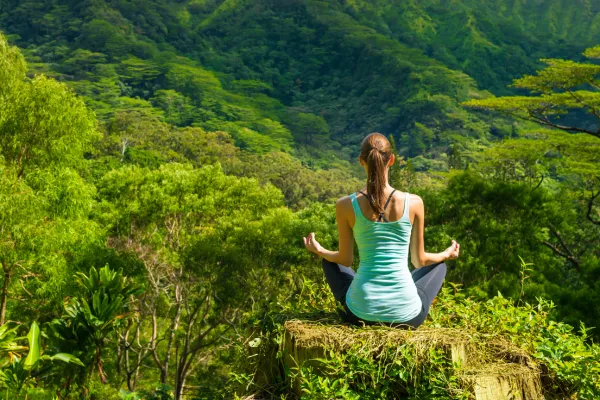
The Benefits of Meditation for Stress Reduction and Mental Clarity
In the relentless whirlwind of modern life, where distractions abound and demands are ceaseless, the practice of meditation offers a sanctuary of stillness and serenity. Meditation, a time-honored tradition spanning cultures and centuries, is a profound practice of cultivating inner peace, reducing stress, and enhancing mental clarity. By taking the time to quiet the mind and connect with our inner selves, we can tap into a wellspring of calmness, focus, and well-being.
Meditation is not about emptying the mind or achieving a state of blissful nothingness. It's about cultivating a state of focused awareness, observing our thoughts and emotions without judgment, and allowing ourselves to simply be present in the moment. It's a practice of self-discovery, a journey inward that can lead to profound insights, emotional healing, and a deeper connection to our true selves.
The Benefits of Meditation: A Tapestry of Transformation
The benefits of meditation are as vast and multifaceted as the human experience itself. Scientific research continues to validate the profound effects of meditation on our physical, mental, and emotional well-being. Here's a closer look at the tapestry of transformation that meditation can weave:
Stress Reduction: Meditation is a powerful antidote to stress. Studies have shown that meditation can reduce stress and anxiety by activating the parasympathetic nervous system, the "rest and digest" branch of our autonomic nervous system. This activation promotes relaxation, lowers cortisol levels (the stress hormone), and counteracts the harmful effects of chronic stress.
Improved Mood: Meditation can help improve mood and reduce symptoms of depression. By calming the mind and cultivating positive emotions, such as gratitude and compassion, meditation can lift our spirits and promote a more positive outlook on life. Meditation can also help us to develop greater emotional resilience, enabling us to navigate challenging situations with greater ease and grace.
Enhanced Focus and Concentration: Meditation is a mental workout that strengthens our ability to focus and concentrate. By training our attention on a single point, such as our breath or a mantra, we develop greater mental discipline and focus. This enhanced focus can translate into improved productivity, creativity, and decision-making abilities.
Increased Self-Awareness: Meditation cultivates a deeper understanding of ourselves, our thoughts, and our emotions. By observing our inner experiences without judgment, we develop greater self-awareness, which can lead to increased self-acceptance, compassion, and emotional intelligence. This heightened self-awareness can empower us to make conscious choices that align with our values and goals.
Improved Emotional Regulation: Meditation can help us manage our emotions more effectively and respond to challenging situations with greater equanimity. By cultivating emotional awareness and acceptance, we learn to observe our emotions without being swept away by them. This allows us to respond to challenging situations with greater calmness, clarity, and compassion.
Increased Compassion: Meditation can cultivate feelings of compassion and empathy for ourselves and others. By practicing loving-kindness meditation, we can develop a more compassionate and understanding heart, fostering greater connection and kindness towards ourselves and those around us.
Improved Sleep: Meditation can promote restful sleep by calming the mind and relaxing the body. By reducing stress and anxiety, meditation can help us fall asleep more easily and sleep more soundly. Regular meditation practice can also improve sleep quality and reduce the frequency of nighttime awakenings.
Enhanced Physical Health: The benefits of meditation extend to our physical health. Studies have shown that meditation can lower blood pressure, boost the immune system, reduce inflammation, and improve cardiovascular health. By promoting relaxation and reducing stress, meditation can contribute to a longer and healthier life.
Types of Meditation: A Diverse Landscape of Practices
The world of meditation is rich and diverse, offering a variety of techniques to suit different needs and preferences. Here are some of the most common types of meditation:
Mindfulness Meditation: Mindfulness meditation involves paying attention to the present moment without judgment. This can involve focusing on your breath, bodily sensations, sounds, or thoughts. The goal is to simply observe your experiences without getting carried away by them.
Loving-Kindness Meditation: Loving-kindness meditation involves cultivating feelings of love and compassion for yourself and others. This practice involves repeating phrases or visualizations that evoke feelings of warmth, kindness, and acceptance.
Transcendental Meditation: Transcendental Meditation (TM) is a specific form of meditation that involves the use of a mantra, a repeated sound or word, to quiet the mind. TM is typically practiced twice a day for 20 minutes.
Walking Meditation: Walking meditation involves focusing on the sensations of walking and your breath as you walk. This can be a great way to bring mindfulness into your daily life and connect with your body and your surroundings.
Guided Meditation: Guided meditation involves listening to a recorded meditation or following the instructions of a meditation teacher. Guided meditations can be helpful for beginners or for those who prefer more structure in their practice.
Vipassanā Meditation: Vipassanā meditation is a Buddhist meditation practice that involves observing the changing nature of your thoughts, feelings, and sensations. The goal is to develop insight into the impermanent nature of all things.
Zen Meditation (Zazen): Zen meditation involves sitting in a specific posture and focusing on your breath or a koan, a paradoxical question or statement used to provoke thought. Zazen is often practiced in a group setting with a Zen teacher.
How to Meditate: A Simple Guide
Meditation is a simple practice that can be done anywhere, anytime. Here's a basic guide to get you started:
Find a Quiet Place: Choose a quiet place where you can sit or lie down comfortably without distractions. This could be your bedroom, a quiet corner of your home, or a peaceful outdoor space.
Get Comfortable: Sit or lie down in a comfortable position. If you're sitting, keep your spine straight but not stiff. You can sit in a chair with your feet flat on the floor, or you can sit cross-legged on a cushion.
Close Your Eyes (Optional): You can close your eyes or keep them gently focused on a point in front of you. If you keep your eyes open, avoid focusing on anything in particular.
Focus on Your Breath: Pay attention to the sensation of your breath as you inhale and exhale. Notice the rise and fall of your chest or belly, the feeling of air entering and leaving your nostrils, or the sound of your breath.
Observe Your Thoughts: Thoughts will inevitably arise during meditation. Notice your thoughts without judgment, allowing them to come and go without getting carried away by them. If you find yourself getting lost in thought, gently bring your attention back to your breath.
Be Patient: Meditation takes practice. Don't get discouraged if your mind wanders; simply gently bring it back to your breath or your chosen point of focus. With consistent practice, you'll develop greater focus, calmness, and awareness.
Start Small: Begin with short meditation sessions, perhaps 5-10 minutes, and gradually increase the duration as you become more comfortable with the practice. Consistency is key, so aim to meditate regularly, even if it's just for a few minutes each day.
The Guardian Head Pro: Supporting Your Meditation Practice
The Guardian Head Pro can be a helpful tool for supporting your meditation practice. Its gentle pressure and temperature regulation capabilities can help promote relaxation and create a calming environment for meditation. By reducing distractions and enhancing physical comfort, the Guardian Head Pro can facilitate a deeper meditative experience and enhance the benefits of your practice.
By incorporating meditation into your daily routine, you can experience a greater sense of peace, clarity, and well-being. Meditation is a journey of self-discovery, a practice of cultivating inner peace, and a powerful tool for navigating the challenges of life with greater ease and resilience. Embrace the stillness within, and unlock the transformative power of meditation.

