The Benefits of Aromatherapy for Stress Relief and Relaxation
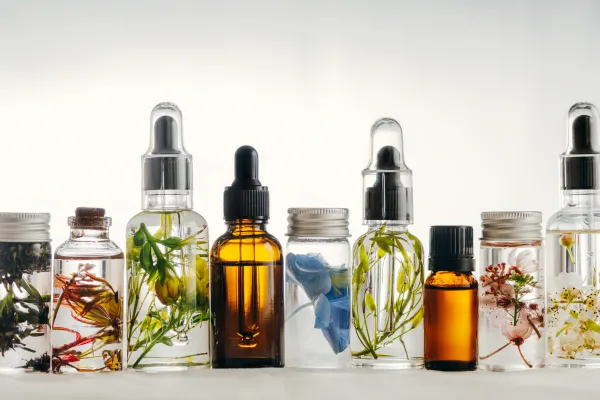
Aromatherapy, the ancient practice of using essential oils for therapeutic purposes, has been revered for centuries for its ability to heal, soothe, and transform. Essential oils, the concentrated extracts from plants, contain a symphony of aromatic compounds that can interact with our bodies and minds, influencing our emotions, energy levels, and overall health. From the calming scent of lavender to the invigorating aroma of citrus, essential oils offer a natural and holistic approach to enhancing our well-being.
In today's world, where stress and anxiety are prevalent, aromatherapy provides a welcome respite, offering a gentle yet powerful way to restore balance and harmony. Whether inhaled or applied topically, essential oils can tap into our innate healing mechanisms, promoting relaxation, reducing stress, improving mood, and enhancing our connection to the natural world.
The Essence of Aromatherapy: A Symphony of Benefits
The benefits of aromatherapy are as diverse as the plant kingdom itself. Each essential oil possesses a unique chemical composition and therapeutic properties, offering a wide range of benefits for our physical, emotional, and mental well-being. Here's a closer look at the symphony of benefits that aromatherapy can orchestrate:
Stress Reduction: Certain essential oils, such as lavender, chamomile, and ylang ylang, have calming and relaxing properties that can help reduce stress and anxiety. These oils can help to soothe the nervous system, lower cortisol levels (the stress hormone), and promote a sense of peace and tranquility.
Improved Mood: Citrus essential oils, such as lemon and orange, can uplift mood and promote feelings of happiness and well-being. These oils can stimulate the release of dopamine and serotonin, neurotransmitters associated with pleasure and happiness. Floral scents like rose and geranium can also have mood-boosting effects, promoting feelings of joy and contentment.
Enhanced Sleep: Lavender and chamomile essential oils are renowned for their sleep-promoting properties. These oils can help to relax the mind and body, reduce anxiety, and improve sleep quality. Diffusing these oils in your bedroom or adding a few drops to your pillow can create a calming and restful environment conducive to sleep.
Pain Relief: Some essential oils, such as peppermint and eucalyptus, have analgesic (pain-relieving) properties. These oils can help to reduce inflammation, soothe sore muscles, and alleviate headaches. They can be applied topically to the affected area or diffused to create a therapeutic atmosphere.
Improved Cognitive Function: Rosemary and peppermint essential oils can help improve focus, memory, and concentration. These oils can stimulate the brain, enhance alertness, and promote mental clarity. They can be diffused in your workspace or inhaled directly from the bottle to enhance cognitive performance.
Respiratory Support: Eucalyptus and tea tree essential oils have antimicrobial and anti-inflammatory properties that can help support respiratory health. These oils can be diffused to help clear congestion, soothe coughs, and promote easier breathing.
Immune System Boost: Many essential oils have immune-boosting properties. Tea tree, oregano, and thyme essential oils have antimicrobial properties that can help fight off infections. Citrus essential oils can also support immune function by promoting lymphatic drainage and detoxification.
Skin Health: Some essential oils, such as lavender and tea tree, have antiseptic and anti-inflammatory properties that can benefit skin health. These oils can be used to soothe irritated skin, reduce acne, and promote healing.
Using Essential Oils for Aromatherapy: A Multisensory Experience
Essential oils can be used in a variety of ways to experience their therapeutic benefits. Here are some of the most common methods:
Inhalation: Inhalation is one of the most effective ways to experience the therapeutic benefits of essential oils. The aromatic compounds in essential oils are quickly absorbed into the bloodstream through the lungs when inhaled. You can inhale essential oils directly from the bottle, add a few drops to a tissue or cotton ball, or use an aromatherapy diffuser to disperse the oils into the air.
Topical Application: Essential oils can also be applied topically to the skin. However, it's important to dilute essential oils in a carrier oil, such as coconut oil or almond oil, before applying them to the skin. This helps to prevent skin irritation and allows the oils to be absorbed more effectively. You can apply diluted essential oils to specific areas of the body, such as the temples, wrists, or chest, or use them in massage or bath blends.
Massage: Adding a few drops of essential oil to your massage oil can enhance the therapeutic benefits of the massage. The massage helps to increase circulation and promote the absorption of the essential oils into the bloodstream.
Baths: Adding a few drops of essential oil to your bathwater can create a relaxing and therapeutic experience. The warm water helps to open the pores, allowing the essential oils to be absorbed into the skin.
Compresses: Soaking a cloth in water with a few drops of essential oil and applying it to the affected area can provide localized relief for pain, inflammation, or congestion.
Essential Oil Safety: A Cautious Approach
While essential oils are generally safe when used correctly, it's important to follow safety guidelines to avoid adverse reactions. Here are some essential oil safety tips:
Quality: Choose high-quality essential oils from reputable brands. Look for oils that are 100% pure and therapeutic grade.
Dilution: Always dilute essential oils in a carrier oil before applying them to your skin. The recommended dilution ratio is typically 1-2 drops of essential oil per teaspoon of carrier oil.
Sensitivity: Some people may be sensitive to certain essential oils. Start with a small amount and test it on a small area of skin before applying it more broadly. If you experience any irritation, discontinue use.
Pregnancy and Children: Consult with a healthcare professional before using essential oils during pregnancy or with children. Some essential oils are not recommended for use during pregnancy or with young children.
Storage: Store essential oils in a cool, dark place to preserve their potency.
Avoid Internal Use: Unless under the guidance of a qualified aromatherapy practitioner, avoid ingesting essential oils.
The Guardian Head Pro: Enhancing Your Aromatherapy Experience
The Guardian Head Pro can enhance your aromatherapy experience by providing a gentle and comfortable way to apply essential oils to your head. Add a few drops of your favorite essential oil to the gel padding and wear the Guardian Head Pro to enjoy the therapeutic benefits of aromatherapy. The gentle pressure and temperature regulation of the Guardian Head Pro can further enhance relaxation and promote a sense of well-being.
By incorporating aromatherapy into your self-care routine, you can tap into the healing power of plants and promote a greater sense of relaxation, well-being, and balance. Essential oils offer a natural and holistic approach to enhancing our physical, emotional, and mental health. Embrace the aromatic symphony of essential oils, and experience the transformative power of nature's healing touch.

